
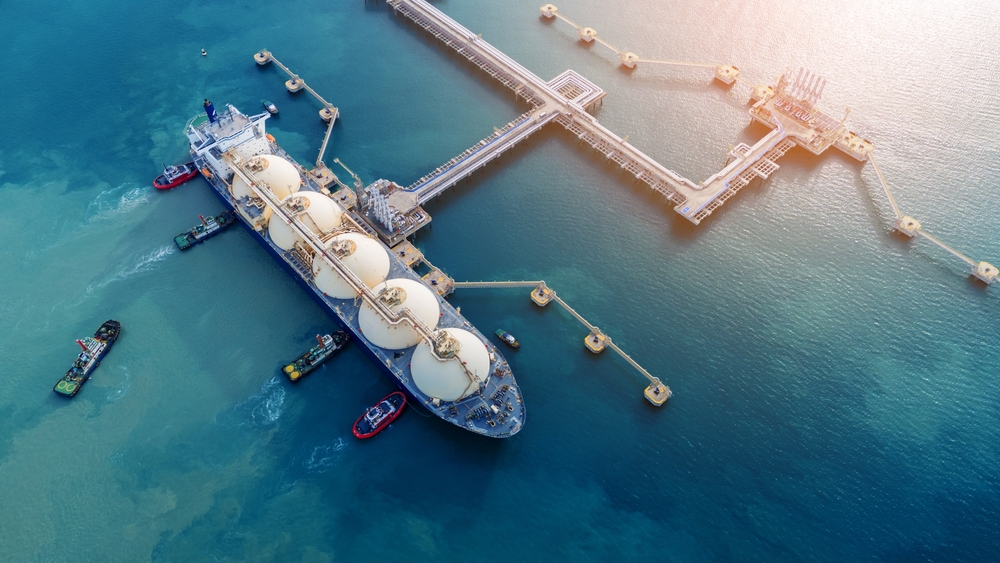
As the indirect owner of GET Group, Christian Comair has overseen an array of development projects across Qatar and beyond, with the organization providing a full spectrum of development and design services including everything from landscaping and structure to the creation of marine works. This article will look at Sofregaz, a French company Kristian Comair saved from bankruptcy, conserving its staff and returning the business to profitability.
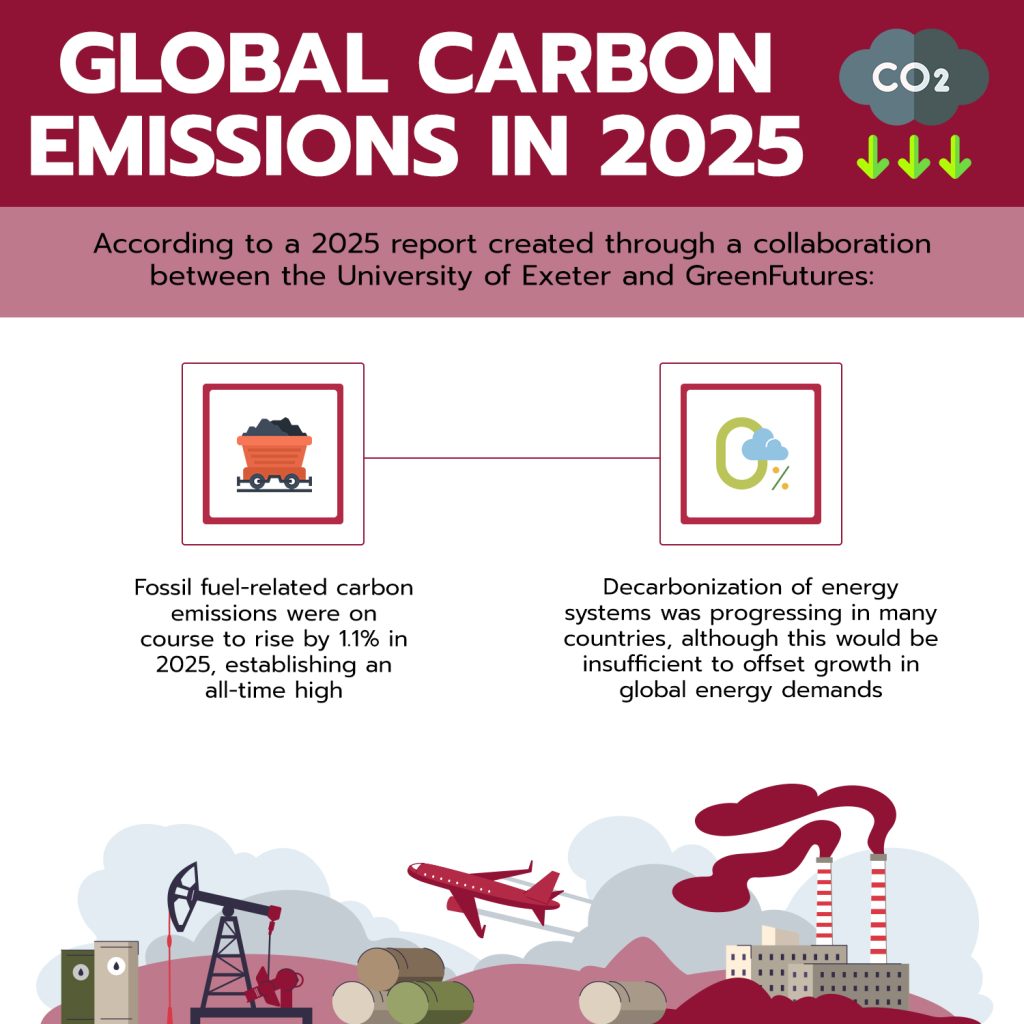
Created in 1959 by Gaz de France, Sofregaz is a leading independent engineering company that is dedicated to providing innovative and effective energy solutions. The company’s focus extends beyond traditional energy sources, encompassing liquefied natural gas (LNG) for import and export terminals, as well as natural gas from gas treatment installations and pipelines to compression stations. Sofregaz also has interests in emerging frontiers, such as hydrogen, ammonia, CO2 utilization, and carbon capture. The attached infographic explores the topic of carbon emissions, providing some interesting global statistics.
Sofregaz aims to help its clients transform their ambitions into reality, drawing on the expertise and experience of its talented personnel across both emerging and conventional energies. The company provides tailored solutions to meet the complex needs of its clients. Sofregaz is committed to excellence at every stage, developing energy systems capable of driving progress and supporting long-term development.
Combining a broad portfolio of successfully completed projects with decades of global experience, Sofregaz earns the trust of clients across international borders and industries. The company has been proud to participate in an eclectic mix of small- and large-scale projects, including everything from installation of the gas pipeline between Algeria, Sardinia, and Italy, the Callisto CO2 project, and construction of the Stade LNG Import Terminal.
In 2019, Sofregaz led the Rivithoussa LNG terminal project in Greece, designing and constructing an LNG terminal on Revithoussa Island. This small-scale LNG infrastructure project centered around development of a terminal to accommodate LNG carriers ranging in capacity from 1,000 to 20,000 cubic meters. The initiative was conceived to help Greece handle smaller LNG shipments, supporting regional demand for clean energy sources by providing the flexibility of LNG distribution across the country. The project saw the construction of a dedicated small-scale LNG terminal facilitating LNG bunkering and supporting local industries. The attached video takes a closer look at the LNG market in 2026, highlighting the integral importance of LNG in securing future supply chains in the new energy equation and LNG’s critical role in the energy transition, displacing more carbon-intense fuels such as coal.
