

Christian Comair, indirect owner of GET Group, is an experienced business leader who studied at McGill University in Montreal, Canada, as well as Université Saint-Joseph – Ecole supérieure d’ingénieurs de Beyrouth. This article will look at business leadership, exploring the critical shifts in mindset required for entrepreneurial success in 2026.
Across the world today, businesses large and small are experiencing a unique collision of market uncertainty, cultural strain, and accelerating AI. A confluence of these different factors is triggering widespread decision fatigue, placing the onus on forward-looking founders to prioritize adaptability over comfort to ensure their business remains relevant.
Inexperienced founders sometimes fall into the trap of allowing themselves to be paralyzed by fear of failure. However, it is crucial to embrace failure as an inevitable part of the learning process, recognizing that most successful entrepreneurs fail multiple times before rising to success. What sets them apart is a positive mindset, enabling them to see failure as an opportunity for learning and growth, and embracing fear as a part of the process.
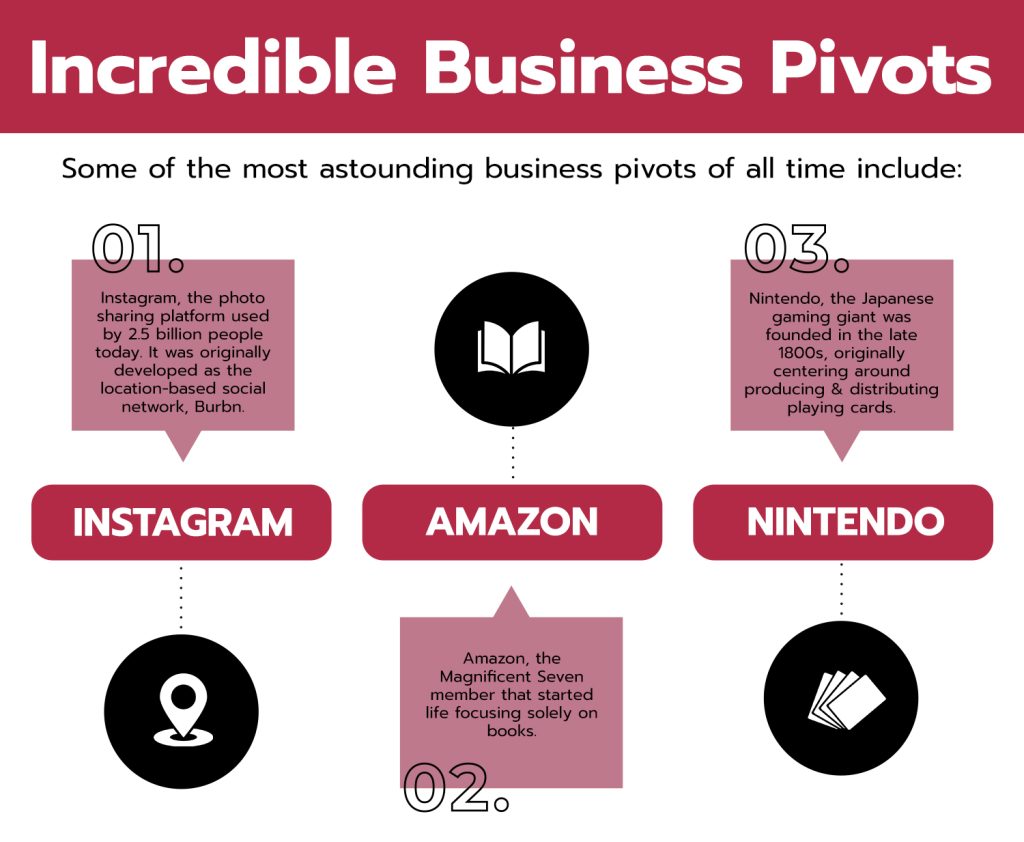
Tony Galati is the founder and chairman of MyComputerCareer, an IT training school. He suggests that, to separate themselves from the pack in 2026, business leaders must be capable of adjusting and keeping their vision future-focused. He also advocates continuous learning, warning leaders to never assume that they have arrived, citing the example of when he started his career as an IT trainer. Although he did not match one of the qualifications for his position, he was passionate and refused to fail. The attached infographic provides an overview of some of the most astounding business pivots of all time.
Building a successful enterprise requires a strategic shift from quick wins to long-term vision. It is easy for founders to get caught up in short-term operational issues in today’s fast-paced world. Nevertheless, lasting success demands long-term vision and a commitment to building strong foundations. Great entrepreneurs future proof their business by staying focused on bigger goals and prioritizing growth over quick rewards.
Technological innovation is creating scope for game-changing organizational shifts, with forward-looking business leaders embracing solutions such as AI to improve productivity, enhance performance, and increase bottom lines. As Quark Expeditions president Sam Seward pointed out in an interview with Forbes, innovation in 2026 requires deliberate choices about how technology services businesses, using tools like AI to enhance efficiency while remaining deeply rooted in company culture and authentic engagement. The attached video explores some of the most revolutionary AI innovations for businesses in 2026.

